
What Friday’s Air Traffic Outage Teaches Us About Business Continuity
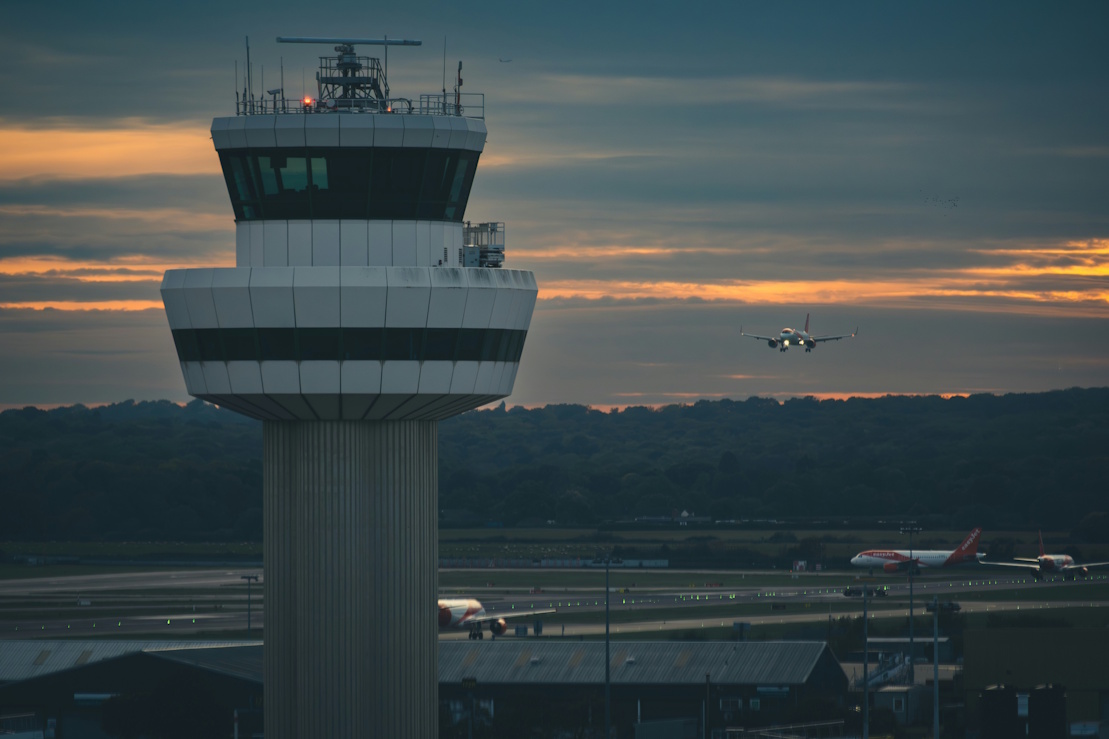
Friday’s severe communication system outage affecting all air traffic in the US – and by extension air traffic in other parts of the world – is a dramatic reminder of the importance of business continuity planning for organizations large and small. Whether the scope of your work and business is local or global, planning for the unexpected is an evermore crucial part of your ability to maintain services and operations.
While I don’t profess to have any inside knowledge of the business continuity plans for the FAA and their regional air traffic control centres, it seems likely that they did not anticipate an outage of this scale or impact would ever come into play. And with the recent information pinning the cause on work being done to switch out copper cabling with fibre optic cable at a key centre, It raises questions about what they had in place for redundant and backup systems. Did they have fail-over processes and strategies in place? Secondary control options and management plans?
With an almost total reliance on electronic and computer-based systems in organizations – public and private – globally, business continuity plans are increasingly important. In a world with exponentially more risks and threats to day-to-day operations, it is incumbent on us to consider what those risks are, the likelihood of them happening, and how we respond and adapt when key information systems and processes are suddenly not available. The risks are real, not only for our own organizations but for our suppliers, partners and allied stakeholders. The impact of a business continuity event can cascade widely and rapidly across industries and borders.
Stepping back and creating a robust plan to ensure you can continue to provide critical services and operations in the face of an unexpected event is no longer a “nice to have”. Can your organization survive something like Friday’s chaos?
